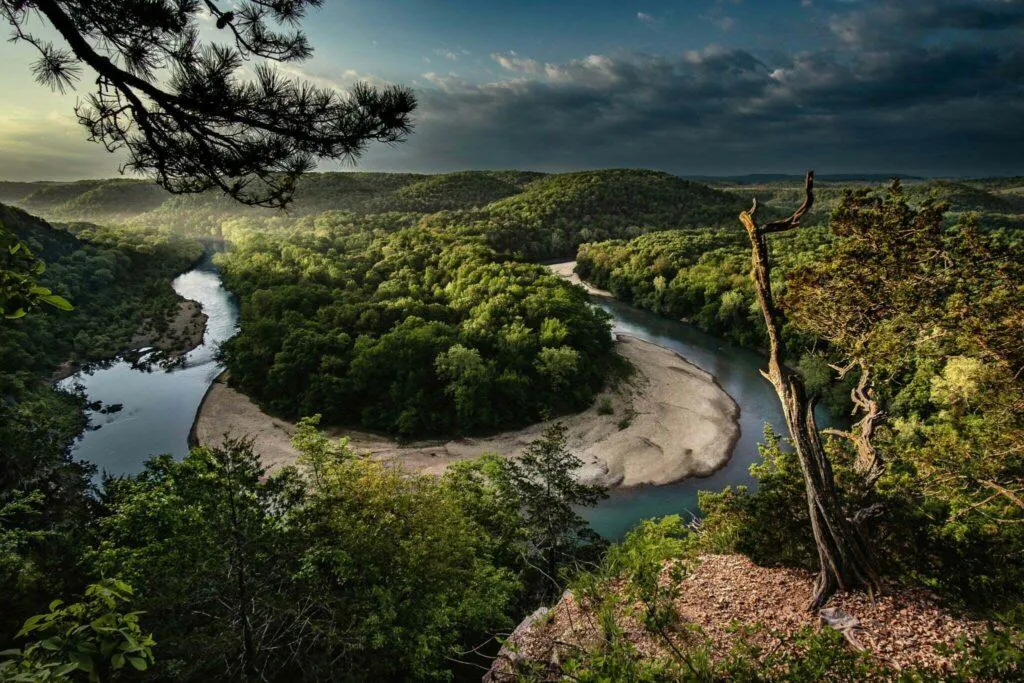
Buffalo National River in Arkansas draws paddlers, hikers, campers and elk watchers to 151 miles of free-flowing river in the Ozarks. This guide covers 33 things to do in and around the park, from float trips and waterfall hikes to small-town museums and music.
Conditions change fast here. Check the park's alerts and conditions page and the river gauges before you go.
At a glance
Every item below, with where it is, when to go and what it costs. Tap a name to jump to the details.
| # | Thing to do | Where | Best time | Cost |
|---|---|---|---|---|
| 1 | Canoeing or kayaking | Whole river | Upper in spring; middle and lower later; lower year-round | Rental and shuttle |
| 2 | Raft or tube float | Ponca; Buffalo Point | When the water is up | Rental |
| 3 | Lost Valley Trail (2.4 mi) | Upper, near Ponca | After rain, for the falls | Free |
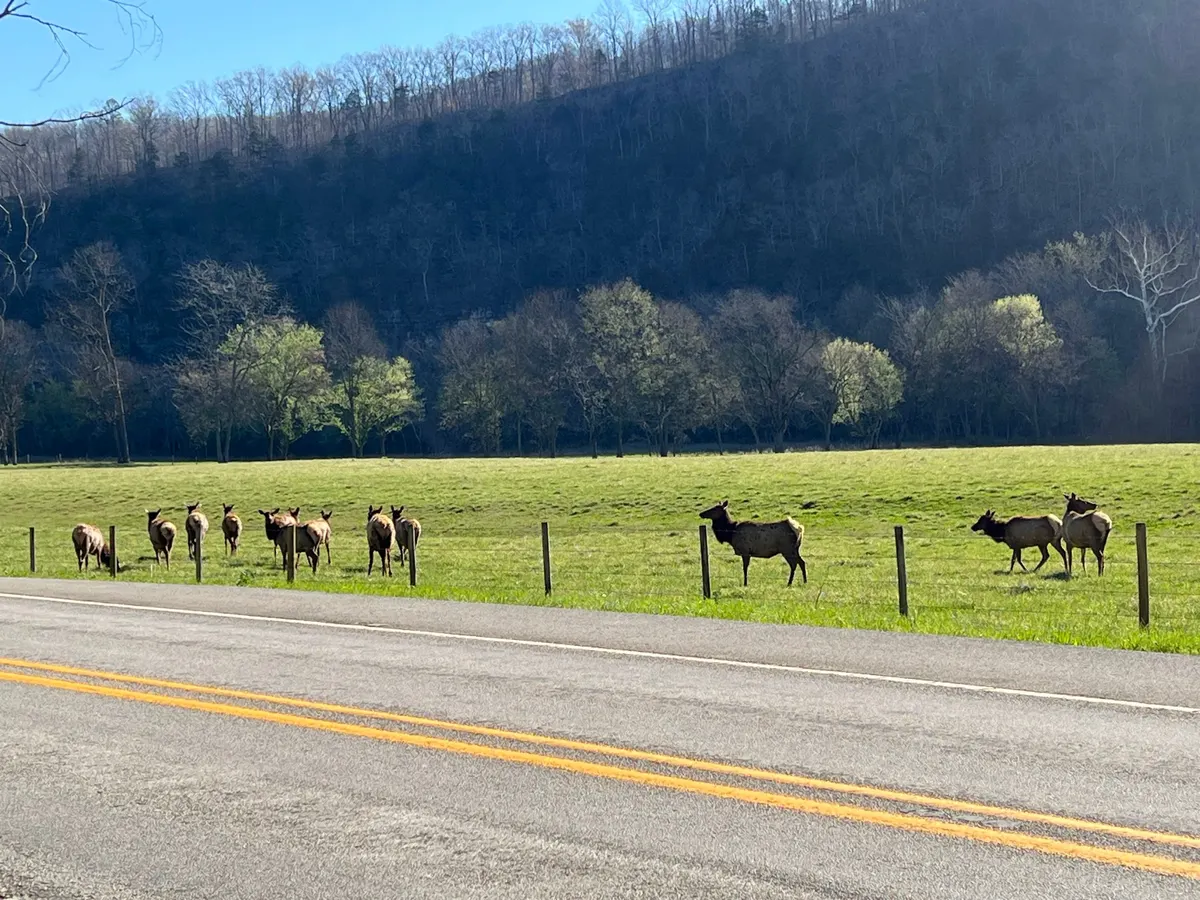
| 4 | Horseback riding (75+ mi of trails) | Mostly upper district | Dry weather | Free with your own horse |
| 5 | Boxley Valley | Upper, Hwy. 43 and 21 | Year-round | Free |
| 6 | Ponca Nature Center | Ponca | Wed to Sat | Free |
| 7 | Fishing | Whole river | Early and late in the day | Arkansas license, 16+ |
| 8 | Camping | Whole river | Mid-March to mid-November for full services | Site fee in season |
| 9 | Elk watching | Boxley Valley | Oct and Nov, dawn and dusk | Free |
| 10 | Guided tours | Park-wide | Ranger programs Memorial Day to Labor Day | Ranger programs free |
| 11 | Mountain biking | National forest trails nearby | Dry weather | Free |
| 12 | Hemmed-In Hollow Falls (5 mi) | Upper, Compton Trailhead | After rain | Free |
| 13 | Indian Rockhouse Trail (3.5 mi) | Lower, Buffalo Point | Year-round | Free |
| 14 | Visitor centers | Tyler Bend; Buffalo Point | Tyler Bend: Thu to Mon | Free |
| 15 | Blanchard Springs Caverns | Fifty-Six, east of the river | 2026 season only; closed for renovation until 2028 | Tour fee |
| 16 | Goat Trail to Big Bluff (5 mi) | Upper, Centerpoint Trailhead | Cool days, early start | Free |
| 17 | Buffalo River Elk Festival | Jasper | Late June | Varies by event |
| 18 | Birdwatching | Whole river | Spring warblers, winter eagles | Free |
| 19 | Collier Homestead | Middle, Tyler Bend | Year-round | Free |
| 20 | Tyler Bend Visitor Center | Middle, off Hwy. 65 | Thu to Mon | Free |
| 21 | Guided horseback rides | Stables near the river | Call ahead | Paid |
| 22 | Ranger programs | Park-wide | Memorial Day to Labor Day | Free |
| 23 | Historic Jail & Museum | Marshall | Wed to Sat | Free |
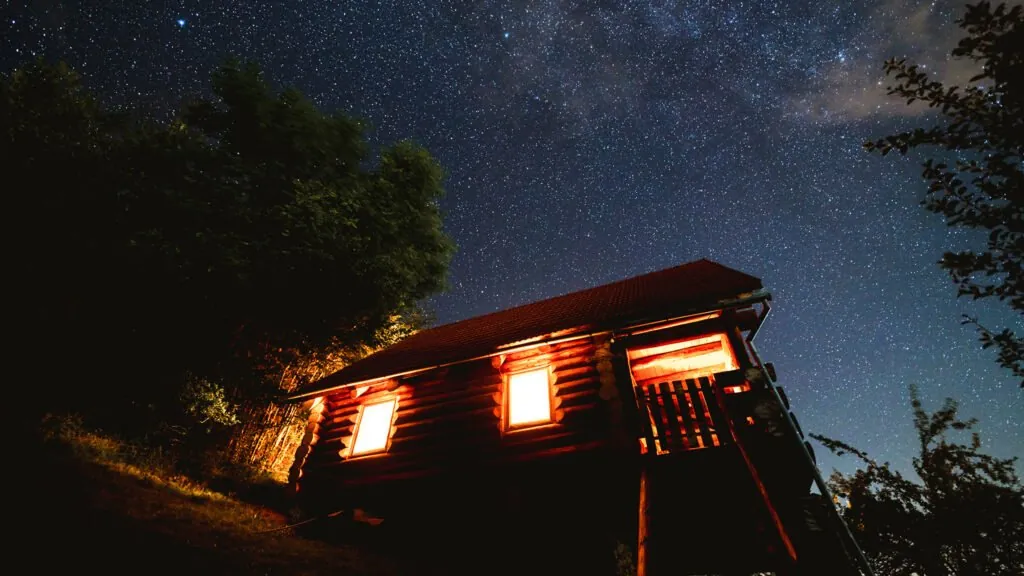
| 24 | Stargazing | Upper, Steel Creek | Clear, moonless nights | Free |
| 25 | Buffalo River Trail (37 mi upper section) | Boxley Valley to Pruitt | Year-round | Free |
| 26 | Whitaker Point / Hawksbill Crag (3 mi) | National forest, Cave Mountain Rd. | Spring and fall | Free |
| 27 | Parker-Hickman Farmstead | Upper, near Erbie | Year-round | Free |
| 28 | Wild berries and nuts | Park-wide | In season | Free, for your own use |
| 29 | Geocaching | Area-wide | Year-round | Free |
| 30 | Bluegrass and local music | Mountain View; Jasper | March and November; June | Tickets vary |
| 31 | Rush ghost town | Lower district | Year-round | Free |
| 32 | Ozark Folk Center | Mountain View | Mid-April to mid-November | Admission |
| 33 | Scenic drive | Hwy. 43, 21 and 74 | Fall color | Free |
1. Canoeing or Kayaking Down the Buffalo River
One of the most popular activities near the Buffalo River is canoeing or kayaking the Buffalo National River. The park says most visitors come to paddle it by canoe, tube or kayak, and the river has stretches for beginners as well as experienced paddlers.
Paddling down the river provides a great opportunity to enjoy the stunning natural landscape of the region. You can float past majestic limestone bluffs, dense forests, and diverse wildlife, including deer, elk, and various bird species. The Buffalo River is also known for its excellent water quality and numerous swimming holes, providing refreshing stops during your journey.
The park splits the river into three districts. Here's how they generally compare:
- Upper Buffalo River: The river runs narrow and fast here, and the season usually starts in spring when there's more water. The park doesn't recommend even the short Ponca to Steel Creek run for beginners.
- Middle Buffalo River: The Tyler Bend area, from Mt. Hersey down to South Maumee, has gentler water and a longer season, so it's a common pick for families.
- Lower Buffalo River: The Buffalo Point area has paddling year-round, and the run from Rush Landing to the White River takes two to five days.
The Buffalo depends on rainfall, so the paddling season moves downstream as the year goes on. The park lists these levels as unsafe: above 1,600 cfs at the Ponca gauge, 2,000 cfs at Pruitt (Hwy. 7), 8,000 cfs at Grinder's Ferry (Hwy. 65) and 9,370 cfs at Dillard's Ferry (Hwy. 14). See the park's paddling page for details.
Several outfitters rent boats and run shuttles, including Buffalo Outdoor Center in Ponca on the upper river and Buffalo River Outfitters on Hwy. 65 in St. Joe near the middle district. Both rent canoes and kayaks and can help you pick a float that fits the current water level.
2. Floating on a Raft or Inner Tube
Experience the natural beauty of Arkansas by floating down the Buffalo River on a raft or inner tube. The Buffalo River offers a serene and scenic environment for both beginners and experienced floaters alike.
Buffalo River Float Service, about 3.5 miles from Buffalo Point on Hwy. 14 south of Yellville, rents rafts, inner tubes, canoes and kayaks and runs shuttles. Its trips range from half-day outings to 14-day excursions, and it also offers guided river tours.
On the upper river, Lost Valley Canoe & Lodging in Ponca runs floats and shuttles and is a short drive from the Lost Valley Trail. Along the way you'll pass bluffs, side creeks and gravel bars where you can pull over for a swim.
3. Hiking the Lost Valley Trail
The Lost Valley Trail near Ponca is the most popular hike at Buffalo National River. It's an easy to moderate 2.4-mile round trip through a box canyon cut by Clark Creek, with caves, waterfalls, a Native American bluff shelter and groves of American beech.
The first half mile is wide, smooth and level except for a creek crossing at the start. The trail climbs from there on stone steps.
Some of the main attractions along the Lost Valley Trail include:
- Natural Bridge: An 8-foot waterfall flows out of a small opening in the bluff into a blue-green pool.
- Cob Cave: A bluff shelter about 50 feet tall, 150 feet deep and 260 feet long. Native Americans used it about 2,000 years ago, and University of Arkansas archeologists found tools, basketry and the small corn cobs that gave it its name.
- Eden Falls: A 53-foot waterfall over the bluffs. The spur trail to the top is rugged and steep.
- Eden Falls Cave: At the end of the trail, a 200-foot cave holds a 25-foot waterfall inside. You'll need a flashlight and some agility to see it. This is one of the few caves in the park still open to visitors.
The trailhead is near the Boxley Valley Historic District on Hwy. 43. Pets aren't allowed on the trail. The park lists Lost Valley as one of its most frequent search and rescue spots because of slippery rocks and cliff edges, so stay on the trail.
4. Horseback Riding in Buffalo National River
Horseback riding has a long history along the Buffalo, and the park covers more than 95,000 acres with over 75 miles of designated equestrian trails. The biggest network of horse trails is in the upper section of the river.
Shared hiking and horse trails are marked with a yellow blaze. Trails with a white blaze are for hikers only, and many of them are too steep for horses. The park suggests riders buy a National Geographic Trails Illustrated map at a visitor center or local business, and Arkansas requires proof of a negative Coggins test for horses. The National Park Service has the full rules.
Steel Creek Campground has 13 sites set aside for campers with horses or other stock, with up to six people and six animals per site. Buffalo River Outfitters also lists drive-in horse camping at Woolum, Erbie and Hathaway, so check with the park on current conditions at each.
Before you ride, check the weather and water levels. The park warns that the river can rise more than a foot an hour and more than 25 feet in a day after heavy rain, and cell service along the river is very limited.
5. Visiting the Historic Boxley Valley
Boxley Valley sits at the upper end of the Buffalo National River, where farm fields, old homesteads and the river share the valley floor along Hwy. 43 and Hwy. 21.
The best-known building in the Boxley Valley Historic District is the Boxley Grist Mill. Three generations of the Villines family ran it from the 1870s until the 1950s, grinding corn and wheat, until a flood washed out much of the millrace. The mill is open to the public only during ranger-guided tours.
Boxley Valley is also a good base for outdoor activities. Some popular ones include:
- Floating: The park's float guides start at Boxley, with a 2- to 3-hour run down to Ponca when the water is up.
- Hiking: The Lost Valley Trail and the start of the Buffalo River Trail are both in or near the valley.
- Wildlife Viewing: The valley is the easiest place to see the park's elk, usually before sunrise or after sunset.
There's a range of campsites, cabin rentals and local lodging in Boxley Valley and nearby Ponca and Jasper, which makes it easy to stay a few days.
6. Exploring the Ponca Elk Education Center
The Ponca Elk Education Center, now called the Ponca Nature Center, is run by the Arkansas Game and Fish Commission at 4642 Hwy. 43 in Ponca. It focuses on Arkansas elk and the plants and animals of the Ozark Mountains.
Admission is free. As of 2026 the center is open Wednesday through Saturday, 10 a.m. to 4:30 p.m., and closed Sunday through Tuesday and on major holidays.
The exhibit room has full-body mounts of elk and an Arkansas black bear, along with hides, skulls and other hands-on displays. There's also a birding window over the feeders, a native wildflower garden, an aquarium, and a shaded deck and creekside trail along Ponca Creek.
The center is a good place to learn about elk restoration in the Ozarks. Elk were gone from Arkansas by the 1840s, and starting in 1981 the AGFC released 112 Rocky Mountain elk in the Buffalo River area. The park says the herd now numbers nearly 500, and the easiest place to see them is along Hwy. 43 and Hwy. 21 through Boxley Valley.
7. Fishing for Smallmouth Bass, Catfish, and Sunfish
The Buffalo National River is an excellent location for anglers seeking a variety of fish species. The park lists 74 species of fish in the river, including 12 game fish, and smallmouth bass are the main draw.
Smallmouth bass are known to be a favorite among fishermen in the area. The park suggests fly anglers try topwater poppers early or late in the day, or a bead-head woolly worm or crawfish fly near the big rocks along the banks. Trout aren't a Buffalo River fish, but brown and rainbow trout are in the cold tailwaters of the White River near where the Buffalo flows into it, according to the park's fishing page.
Anyone 16 or older needs a valid Arkansas fishing license, and state rules from the Arkansas Game and Fish Commission apply in the park. Live or dead minnows are only allowed if they came from the Buffalo or its tributaries or were bought from a licensed bait dealer.
While fishing from the banks is an option, canoe fishing is quite popular on the river. This approach allows you to explore more of the currents and pools where fish are likely to be found. There are many river access points, such as Tyler Bend Campground, which offer excellent opportunities to launch your canoe and start fishing.
8. Camping at One of the Many Campgrounds Along the River
Buffalo National River runs campgrounds along the length of the river, from primitive open fields to developed loops with showers. Most now take reservations through Recreation.gov. Here are a few popular ones:
- Steel Creek Campground: About 3 miles east of Ponca off Hwy. 74, across the river from Roark Bluff. It has 26 tent sites and 13 sites for campers with horses, all by reservation.
- Buffalo Point Campground: The park's largest and most developed campground, with water and electric hookups for RVs, flush restrooms and showers. Starting March 15, 2027, every site there will require a reservation.
- Tyler Bend Campground: A developed campground in the middle district off Hwy. 65 with 27 drive-in sites, 10 walk-in tent sites, showers and a dump station, but no electric hookups.
Kyles Landing, Erbie and Ozark campgrounds took flood damage in November 2024, but all three are operating in 2026. The road to Kyles Landing is rough, and the park recommends high clearance and four-wheel drive.
From November 16, 2026, through March 14, 2027, water, electricity and flush restrooms are shut off at Steel Creek, Kyles Landing, Erbie, Ozark and Rush, and no fees are charged. Flush restrooms stay open at Tyler Bend and the B Loop at Buffalo Point. You can also camp on gravel bars along the river with no permit.
9. Wildlife Viewing, Especially Elk and Deer
One of the most popular activities near the Buffalo River is wildlife viewing, particularly of elk and deer. The park says the easiest place to see elk is along the six miles of Hwy. 43 and Hwy. 21 through Boxley Valley, according to its elk page.
Elk usually come out to graze when the sun is off the fields, before sunrise or after sunset. October and November, during the rut, give you the best odds of seeing bulls in the fields. In summer they tend to stay in the shade along the river, and on an all-day cold spell in winter you may see them anytime.
Pull completely off the road to watch, and watch for traffic if you get out. Hwy. 43 and Hwy. 21 are through highways. Don't try to get close to the elk.
Deer and wild turkeys are common around the valley too. Bring binoculars and a camera with a long lens so you can keep your distance.
10. Taking a Guided Tour of the Buffalo National River
Guided trips are a good way to learn the river's history, plants and wildlife from someone who knows it. Options include:
- Ranger programs: From Memorial Day to Labor Day, park rangers offer free guided hikes, junior ranger programs and musical performances.
- Cave tours: Most caves in the park are closed to protect bats from white-nose syndrome. The park lists Back O'Beyond and Silver Hill caves as open for guided interpretive tours only, so call ahead to ask whether any are scheduled.
- Boxley Grist Mill: The historic mill in Boxley Valley is open only during ranger-guided tours.
- Guided float trips: Several outfitters, including Buffalo Outdoor Center and Buffalo River Float Service, offer guided trips on the river.
The park also authorizes several private businesses to guide visitors inside the park. Ask an outfitter or the Tyler Bend Visitor Center which ones are working the section you want to see.
11. Biking the Buffalo River Trails
There are no mountain bike trails inside Buffalo National River. Biking is allowed only on roads open to motor vehicles, according to the park's biking page. The Ozark-St. Francis National Forest has trails close by on both ends of the park.
The Upper Buffalo trail system, formally the Buffalo Headwaters Trail System, sits west of the Upper Buffalo Wilderness in the Ozark National Forest. Arkansas Tourism's cycling guide lists about 40 miles of mostly intermediate and advanced singletrack, with trailhead kiosks on Cave Mountain Road and Knuckles Creek Road.
Gravel riders can try the Ozark Grinder, a route of about 138 miles that runs mostly on gravel roads through Searcy County south of the park. One access point is Peter Cave Road off the Tyler Bend entrance road.
Near the lower end of the river, the Syllamo trails in the Sylamore District of the national forest have about 50 miles of bike trail southeast of the Lower Buffalo and Leatherwood Wilderness areas.
12. Discovering the Area's Many Waterfalls, Including Hemmed-In Hollow Falls
The Buffalo River area in Arkansas is known for its picturesque waterfalls, offering breathtaking views and unique hiking trails. The best known is Hemmed-In Hollow Falls.
Hemmed-In Hollow Falls drops nearly 210 feet, and the park calls it the highest waterfall between the Rockies and the Appalachians. The Hemmed-in Hollow Trail starts at the Compton Trailhead in the Ponca Wilderness and drops nearly 1,400 feet to the river. It's about 5 miles round trip with 1,200 feet of climbing on the way back out, and the park calls it extremely steep and strenuous. Plan on a full day. The falls only run after a good amount of rain.
You can also reach the falls from the Centerpoint Trailhead on Hwy. 43, which is a little less strenuous but still a full-day hike. Floaters on the Steel Creek to Kyles Landing stretch can stop on river left about a mile downstream of Jim Bluff and walk about half a mile to the falls, according to Buffalo Outdoor Center.
Besides Hemmed-In Hollow Falls, the Buffalo River area is home to many other beautiful waterfalls. Some popular ones include:
- Eden Falls, the 53-foot falls on the Lost Valley Trail
- The 50-foot waterfall at the end of the Hideout Hollow Trail near Compton
- Glory Hole Falls in the Ozark National Forest
Most of these falls are best after rain, so check the forecast and plan around wet weather.
13. Hiking the Indian Rockhouse Trail
The Indian Rockhouse Trail at Buffalo Point is a 3.5-mile round trip in the lower district of the park. It mixes geology with history, and the bluff shelter at the end is one of the few caves in the park still open to visitors.
Hikers pass a sinkhole, a waterfall, a mine prospect, Panther Creek, sculpted bedrock and a quarry (U.S. National Park Service). Many of these are typical karst features. The trail ends at the Indian Rockhouse, a bluff shelter people have used since as far back as 7,000 BC. Carnegie Institute excavations in the 1930s found stone tools, basketry and food remains.
Some key features of the Indian Rockhouse Trail include:
- 3.5-mile round-trip hike
- Various natural features such as a sinkhole, waterfall, and sculpted bedrock
- Indian Rockhouse, a prehistoric bluff shelter
The park rates it moderate to strenuous, with steep climbs and descents on narrow, rocky trail. Pets aren't allowed. The trailhead is in the Buffalo Point area off Hwy. 268.
14. Visiting a Buffalo National River Visitor Center
Buffalo National River has one full visitor center and two smaller ranger stations. Stop at one to pick up maps, check current conditions and ask about safety before you head out.
The main Tyler Bend Visitor Center is off Hwy. 65 between St. Joe and Marshall, with the park film, passport stamps and a bookstore. On the lower river, the Buffalo Point Visitor Contact Station, about 3 miles off Hwy. 14, has information and a small bookstore. Both are open 8:30 a.m. to 4 p.m. Thursday through Monday and closed Tuesday and Wednesday, as of 2026.
On the upper river, the Steel Creek Ranger Station in the Valley Y Ranch area of Steel Creek Campground is open in summer only when rangers are available. Call 870-861-2570 before you go.
Ask at any of them about ranger programs. They can also sell you the Trails Illustrated map the park recommends for the Ponca Wilderness.
15. Exploring the Blanchard Springs Caverns
Blanchard Springs Caverns, near Fifty-Six in the Ozark National Forest, became Arkansas' 53rd state park, and Arkansas State Parks now helps the Forest Service run it. It's well east of the Buffalo, so it works best as a day trip from the lower end of the river or from Mountain View.
The main tour is the Dripstone Trail. The 2026 season added Discovery Trail tours after Memorial Day, with tours reserved through Recreation.gov. The caverns are open Thursday through Monday and closed Tuesday and Wednesday.
Plan ahead for 2027. The 2026 season runs through the end of November, then the caverns close for their first major renovation since opening in the 1970s. The state expects a grand reopening in 2028.
The rest of the Blanchard Springs Recreation Area has camping and day-use sites in the Ozark National Forest, and Mountain View and the Ozark Folk Center are a short drive away.
16. Hiking the Goat Trail to Big Bluff
The Goat Trail to Big Bluff is one of the best-known hikes in the park. It follows the Centerpoint Trail from the trailhead on Hwy. 43 through the Ponca Wilderness, then spurs off on the narrow Goat Trail to the face of Big Bluff.
Buffalo Outdoor Center lists Big Bluff at about 550 feet tall, and the views up and down the river are some of the widest in the park. The park puts the hike at about 5 miles round trip with 800 feet of climbing on the way out. It calls the hike strenuous, and the Goat Trail itself narrow and dangerous. Camping isn't allowed on Big Bluff.
Before setting off on the Goat Trail to Big Bluff, it’s essential to be prepared. Some tips for a successful hike include:
- Wearing sturdy shoes with good grip
- Bringing plenty of water and snacks
- Carrying a map or GPS for navigation
- Checking weather conditions ahead of time
The park lists Centerpoint and Big Bluff among its most frequent search and rescue locations, mostly for dehydration, exhaustion and heat illness. Start early and keep well back from the edge.
17. Attending the Annual Buffalo River Elk Festival
The Buffalo River Elk Festival is a two-day event in Jasper that celebrates the return of elk to the Buffalo River area. It's been held for nearly 30 years, and the 2026 festival ran June 26 and 27.
The 2026 schedule included the Arkansas State Elk Calling Contest, a Dutch oven cook-off, a kids' fishing derby, a pancake breakfast, live bluegrass, country and folk music, and the "Running with the Elk" 5K. Food vendors and raffles round it out.
The festival also hosts an on-site drawing for three Arkansas elk hunting permits, open only to Arkansas residents who attend and hold a valid resident sportsman's license. Winners have to be there for the Saturday afternoon drawing. Check the Arkansas Game and Fish Commission for next year's dates.
18. Birdwatching for a Variety of Species
About 200 species of birds use the Buffalo National River for at least part of the year, and nearly half of them live here year-round. Great blue herons, belted kingfishers and wood ducks are common along almost any section of the river, and bald eagles are often seen in winter resting in trees on the ridges above the river (source).
Spring and summer bring warblers, including the prothonotary, hooded, Kentucky and Swainson's warblers on the park's list.
A canoe trip is one of the easiest ways to bird the river, since many of these species feed along the banks. Arkansas Tourism also has a guide to birding and watchable wildlife in Arkansas.
19. Learning About Homesteading and the Civilian Conservation Corps at the Collier Homestead
The Collier Homestead in the Tyler Bend area near St. Joe shows what it took to homestead along the river. The Collier family claimed one of the last parcels available along the Buffalo in 1932 after moving from Kentucky.
Solomon "Sod" Collier, his wife Ida Mae and two of their seven children built the cabin and met the homesteading requirements, receiving the patent on 40 acres in 1937. Sod and Ida Mae stayed until 1962.
The New Deal reached the Buffalo River in other ways. The park says at least two historic homesteads along the river have concrete outhouses built by the Works Progress Administration, and the Civilian Conservation Corps began developing Buffalo Point in 1938.
The walk to the Collier Homestead from the Tyler Bend trail system is flat and wide enough for wheelchairs and strollers. Pick up the brochure about the Colliers at the Tyler Bend Visitor Center before you go.
20. Exploring the Tyler Bend Visitor Center
The Tyler Bend Visitor Center is the park's main visitor center, about 2.5 miles off Hwy. 65 between St. Joe and Marshall. It's a good first stop if you're coming in from the middle of the river.
Inside you can watch the park film, stamp your passport book, shop the bookstore and get information on floats, trails and campgrounds. The park's fishing guidebook and the Collier Homestead brochure are available here too.
The Riverview, Spring Hollow, Buck Ridge and Rock Wall trails start from the visitor center and campground area, and they connect to the Buffalo River Trail. Leashed dogs are allowed on all of them except the Riverview Trail, which has a view of where Calf Creek meets the Buffalo.
As of 2026 it's open 8:30 a.m. to 4 p.m. Thursday through Monday and closed Tuesday and Wednesday. The park's main phone line, 870-439-2502, rings here.
21. Taking a Guided Horseback Tour
Riding with a local stable is a good option if you don't haul your own horses. The Searcy County Chamber of Commerce keeps a list of stables and horse lodging near the river and in the Ozark National Forest. Call ahead to ask which ones offer guided rides and where they go.
Every rider in the park has to stay on approved yellow-blazed trails, and off-trail or cross-country riding isn't allowed. The park's horse trails pass old homesites, creeks and ridgetop views, especially in the upper district.
The biggest organized ride in the area is the annual Falling Water Trail Ride on the first weekend of October, which starts from Woolum or the Snowball Gym, according to the chamber.
Wear long pants and sturdy boots, and bring sunscreen, bug spray and plenty of water.
22. Participating in a Ranger-Led Program or Workshop
Ranger programs are a good way to learn the natural and cultural history of the river. From Memorial Day to Labor Day, interpretive rangers offer a variety of free programs in the park, from guided hikes to junior ranger programs to musical performances.
The park also offers night sky programs during the year and teaches Leave No Trace practices for camping and hiking in the backcountry.
To find out about upcoming events, check the Buffalo National River events calendar. Groups that want a special program can call the Tyler Bend Visitor Center at 870-439-2502.
Here are some examples of ranger-led programs you may find during your visit:
- Guided nature walks
- Historical and cultural presentations
- Junior ranger programs
- Night sky programs
- Musical performances
Check program schedules before you go, since times change from week to week.
23. Visiting the Buffalo River Historic Jail & Museum
The Buffalo River Historic Jail & Museum in Marshall tells the story of the land and people of the Buffalo River Valley. It's one block off the Marshall town square on South Hwy. 27.
The museum is in the restored 1902 Searcy County Jail, which was used until 1976 and is listed on the National Register of Historic Places. The restoration began in 2015, and the museum opened in December 2021. It also houses the Searcy County Chamber of Commerce and a visitor information center.
Kids can step into the old jail cells, and the exhibits are hands-on. Admission is free. As of 2026 it's open Wednesday through Saturday, 10 a.m. to 3 p.m., or by appointment through the chamber at 870-448-2557.
It's an easy stop on the way to or from Tyler Bend, which is about 15 miles north of Marshall.
24. Stargazing at the Steel Creek Campground
The Steel Creek Campground is a good spot for stargazing on the upper river. Buffalo National River became Arkansas' first International Dark Sky Park in 2019, and the park has changed its outdoor lighting to keep the skies dark.
The Steel Creek Campground is about 3 miles east of Ponca and 13 miles west of Jasper, Arkansas. It sits in the river valley across from Roark Bluff, with open sky over the fields, and has 26 tent sites and 13 horse sites by reservation.
While visiting the Steel Creek Campground, consider going on an evening hike or setting up a comfy chair near your campsite. During the day, there's hiking, paddling and elk watching close by.
Here are some tips for a memorable stargazing experience at Steel Creek Campground:
- Check the weather forecast and moon phases for optimal viewing conditions
- Bring a blanket or comfortable chair for stargazing comfort
- Consider using a star chart or stargazing app to identify constellations and planets
- Stay patient and allow your eyes to adjust to the darkness for clearer viewing
The park also holds night sky programs during the year, so check the calendar before your trip.
25. Hiking the Buffalo River Trail
The Buffalo River Trail runs along the bluffs, ridgelines and gravel bars on the south side of the river. The upper section, from Boxley Valley to Pruitt, is 37 miles long and popular with backpackers, according to the park's Buffalo River Trail page.
The trail is moderate to strenuous. It's hardest between Boxley Valley and Erbie, where long, steep bluff lines lead to big views of the river. Below Erbie the terrain gets gentler.
You don't have to thru-hike it. Trailheads at the south end of Boxley Valley, the Ponca low-water bridge, Steel Creek, Kyles Landing, Erbie, Ozark and Pruitt make it easy to plan shorter out-and-back or point-to-point day hikes.
Farther downstream, the park also lists Buffalo River Trail sections from Woolum to Tyler Bend and from Woolum to Dillard's Ferry for longer trips.
26. Hiking the Whitaker Point (Hawksbill Crag) Trail
The Whitaker Point Trail, also known as the Hawksbill Crag Trail, is one of the best-known hikes in Arkansas. It's in the Ozark-St. Francis National Forest, at the edge of the Upper Buffalo Wilderness, rather than in the national park.
The trailhead is on Cave Mountain Road (County Road 5) off Hwy. 21 near the Boxley bridge, about 13 miles south of Ponca. Buffalo Outdoor Center lists the hike at about 3 miles round trip, mostly moderate with a few short, steep sections, including the climb back to the trailhead. The trailhead has no restroom or drinking water.
The trail ends at a rock ledge that juts out over the upper Buffalo River valley. Wildflowers bloom in spring and the hardwoods turn in fall. It's a sheer drop off the crag, so keep kids close and stay back from the edge.
The last part of the drive is about 6 miles on gravel. The view at the end makes the drive worth it.
27. Exploring the Historic Parker-Hickman Farmstead
The Parker-Hickman Farmstead near Erbie Campground in the upper district preserves more than a century of Ozark farm life. The Parker brothers came from Tennessee in the 1830s and built their farm on 195 acres of river bottomland.
The red cedar logs in the main house date to the 1840s, which makes it the oldest log structure in the Buffalo National River area. Nine different owners lived here over nearly 130 years, ending with the Hickmans in the early 1980s. Outbuildings and farm structures are arranged roughly in a rectangle around the house, and an exhibit panel explains what each one was for. The farmstead was added to the National Register of Historic Places in 1987.
When planning your visit, consider adding a hike. The Buffalo River Trail has a trailhead at Erbie, and the roads into the Erbie area can be rough after high water, so a high-clearance vehicle helps.
28. Picking Wild Berries and Fruit (with Permission and Within Regulations)
The Buffalo River region has plenty of wild fruits, nuts and berries. Inside the national park, the park's rules allow you to gather edible fruits, nuts, mushrooms and berries by hand for your own daily use, but not for sale. On private land, get the landowner's permission first.
Some wild edibles you may find in the area include:
- Blackberries
- Raspberries
- Elderberries
- Wild grapes
- Pawpaws
- Hickory nuts
Know exactly what you're picking. Several plants have poisonous lookalikes, so bring a reliable field guide or go with someone experienced.
Stay on trails while you pick. The park doesn't allow shortcutting trails or making new paths through the woods.
29. Geocaching in the Buffalo National River Area
Geocaching is a fun way to get families outdoors around the Buffalo River.
Before you go hunting or hiding a cache inside the park, know the rules. The National Park Service decides on geocaching park by park, and burying a cache generally violates federal park regulations. Don't place a cache in the park without checking with park staff first.
Use the official Geocaching website or app to find caches near you. Virtual caches and EarthCaches, which don't involve leaving a container, fit best in a national park.
Pack out any litter you find along the way, and stay off cliff edges and fragile ground.
30. Attending a Bluegrass Festival or Other Local Music Event
The Ozarks have a long music tradition, and there's live bluegrass near the river most of the year.
The Buffalo River Elk Festival in Jasper each June includes live bluegrass, country and folk music along with the elk calling contest.
The Mountain View Bluegrass Festival is held twice a year, on the second weekend of March and the second weekend of November, in the Ozark Highlands Theater at the Ozark Folk Center State Park. Thursday is an evening of gospel, and Friday and Saturday each have a matinee and an evening show of acoustic bluegrass. The fall 2026 festival runs November 12 to 14.
The Ozark Folk Center State Park in Mountain View also has live mountain music on the Blacksmith Stage in its Craft Village during the season, and concerts in the 1,000-seat Ozark Highlands Theater.
31. Exploring the Abandoned Rush Ghost Town
The abandoned Rush ghost town is one of the most interesting historic stops on the lower Buffalo. Zinc ore was found along Rush Creek in the 1880s, and by the 1890s a mining boom had brought miners and investors from all over the country.
The most famous mine was the Morning Star. A community of homes and businesses grew up along Rush Creek and lasted until the 1960s. Today the site is part of Buffalo National River.
Some highlights of a visit to Rush include:
- Historic homes, a general store and a smelter along the road
- The 0.25-mile Morning Star Interpretive Loop, a mostly family-friendly gravel path
- The 1.5-mile (one way) Mine Level Trail, which passes old mine entrances that are fenced off for safety
- Views of Rush Valley and the river
The Rush trails are steep in places. Stay out of the fenced mine openings. Rush Campground nearby has 12 tent sites by reservation.
32. Visiting the Ozark Folk Center State Park
The Ozark Folk Center State Park in Mountain View is dedicated to the music, crafts and culture of the Ozarks. It's open mid-April to mid-November, and the 2026 season runs through November 14.
In the Craft Village, more than 20 working artisans demonstrate and sell their work Tuesday through Saturday in season, including pottery, ironwork, baskets, brooms, quilts and wood carvings. Artisans also teach hands-on workshops through the year. There's live music on the Blacksmith Stage, concerts in the Ozark Highlands Theater, the Heritage Herb Garden, and Southern cooking at the Skillet Restaurant.
You can stay on site at the Cabins at Dry Creek. From Mountain View, it's a short drive to the White River and to Blanchard Springs, though the caverns close for renovation after the 2026 season.
33. Taking a Scenic Drive Along the Buffalo National River Corridor
A drive along the Buffalo National River is one of the easiest ways to see the river country, especially when the leaves turn in fall. Roads wind through farm valleys, small towns and bluff country, with plenty of places to pull off.
Some popular stops on a drive include:
- Boxley Valley: The six miles of Hwy. 43 and Hwy. 21 through the valley are the best place in the park to see elk.
- Lost Valley Trail: A short drive off Hwy. 43, with a natural bridge, caves and waterfalls.
- Steel Creek: Off Hwy. 74 east of Ponca, where Roark Bluff rises over the river.
- Pedestal Rocks Scenic Area: A side trip into the Ozark National Forest south of the river, with loop trails past unusual rock formations.
Many of the side roads to river accesses are gravel and get rough after high water. Pull completely off the pavement when you stop to look at elk or views.
Before You Go
Check the park's alerts and conditions page before your trip. The November 2024 flood damaged campgrounds and roads around Kyles Landing, Erbie and Ozark, and while those areas are open again, the river can still change a lot after a single storm.
Cell service is very limited along the river, so download maps, make campground reservations and leave your plans with someone at home before you lose signal. For float, trail and campground questions, call the Tyler Bend Visitor Center at 870-439-2502.
Questions
Are the caves at Buffalo National River open?
Most are closed to recreational caving to slow the spread of white-nose syndrome in bats. The park keeps Eden Falls Cave and the Natural Bridge in Lost Valley, plus Panther Cave and the Indian Rockhouse at Buffalo Point, open to visitors.
Can you mountain bike in Buffalo National River?
No. There are no mountain bike trails inside the park, and bikes are allowed only on roads open to motor vehicles. The Ozark National Forest has trails nearby, including the Upper Buffalo (Buffalo Headwaters) system.
Where is the best place to see elk near the Buffalo River?
The park says the easiest place is along the six miles of Hwy. 43 and Hwy. 21 through Boxley Valley, usually before sunrise or after sunset. October and November, during the rut, give you the best odds.
Are the campgrounds open after the November 2024 flood?
Yes. Kyles Landing, Erbie and Ozark campgrounds were damaged in the November 2024 flood but are operating in 2026. As of November 2026 the park's only listed closure is South Woolum Road, and the Woolum launch and campground remain open.
Sources
- NPS Buffalo National River: Things To Do, checked Nov 9, 2026
- NPS Buffalo National River: Alerts and Conditions, checked Nov 9, 2026
- NPS: Flood Waters Damage Buffalo National River Facilities (Nov. 2024), checked Nov 9, 2026
- NPS Buffalo National River: Paddling, checked Nov 9, 2026
- NPS Buffalo National River: Camping, checked Nov 9, 2026
- NPS: Hike the Lost Valley Trail, checked Nov 9, 2026
- NPS: Hike to Hemmed-in Hollow, checked Nov 9, 2026
- NPS: Full Day Adventure, Upper District, checked Nov 9, 2026
- NPS: Hike to Big Bluff, checked Nov 9, 2026
- NPS: Hike the Indian Rockhouse Trail, checked Nov 9, 2026
- NPS: Hike the Buffalo River Trail, Boxley to Pruitt, checked Nov 9, 2026
- NPS: Hike the Rush Mine Level Trail and Morning Star Interpretive Loop, checked Nov 9, 2026
- NPS: Hike Tyler Bend Trails, checked Nov 9, 2026
- NPS Buffalo National River: Horseback Riding, checked Nov 9, 2026
- NPS Buffalo National River: Fishing, checked Nov 9, 2026
- NPS Buffalo National River: Elk, checked Nov 9, 2026
- NPS Buffalo National River: Birds, checked Nov 9, 2026
- NPS Buffalo National River: Cave and Karst Systems (cave closures), checked Nov 9, 2026
- NPS Buffalo National River: Mountain Biking Near the Park, checked Nov 9, 2026
- NPS Buffalo National River: Night Sky Viewing, checked Nov 9, 2026
- NPS Buffalo National River: Guided Activities, checked Nov 9, 2026
- NPS Buffalo National River: General Regulations (Superintendent's Compendium), checked Nov 9, 2026
- NPS Buffalo National River: Stories (CCC at Buffalo Point), checked Nov 9, 2026
- NPS: Collier Homestead, checked Nov 9, 2026
- NPS: Parker-Hickman Farmstead, checked Nov 9, 2026
- NPS: Boxley Grist Mill, checked Nov 9, 2026
- NPS: GPS-based Recreational Activities in National Park Areas, checked Nov 9, 2026
- Arkansas Game and Fish Commission: Ponca Nature Center, checked Nov 9, 2026
- Arkansas Game and Fish Commission: Elk, checked Nov 9, 2026
- Arkansas Game and Fish Commission: 2026 Buffalo River Elk Festival news release, checked Nov 9, 2026
- Arkansas State Parks: Blanchard Springs Caverns, checked Nov 9, 2026
- Arkansas State Parks: Ozark Folk Center State Park, checked Nov 9, 2026
- Arkansas Cycling Guide (Arkansas Tourism): Upper Buffalo, checked Nov 9, 2026
- USDA Forest Service: Whitaker Point (Hawksbill Crag) Trailhead, checked Nov 9, 2026
- Searcy County Chamber of Commerce: Buffalo River Historic Jail & Museum, checked Nov 9, 2026
- Searcy County Chamber of Commerce: Horseback Riding, checked Nov 9, 2026
- Mountain View Bluegrass Association, checked Nov 9, 2026
- Buffalo Outdoor Center, checked Nov 9, 2026
- Buffalo River Outfitters, checked Nov 9, 2026
- Buffalo River Float Service, checked Nov 9, 2026
- Lost Valley Canoe & Lodging, checked Nov 9, 2026
Something out of date? Please let us know and we'll recheck it.